If there’s one thing I’ve learned after years of guiding travelers through Hanoi’s tangled streets, it’s that Vietnamese food doesn’t simply sit on a plate waiting to be eaten. Vietnamese food must be built, mixed, customized, dipped, torn apart, slurped, and sometimes even negotiated with. Eating in Hanoi is not a passive activity – it’s a conversation. Between textures, temperatures, herbs, broths, toppings, sauces, and of course, the eater.
People often ask me:
“How do Vietnamese people enjoy food?”
“What makes the flavors so balanced?”
“Why does everything come with herbs?”
“Why do you all eat so fast?”
And I always answer: We eat with instinct. With memory. And with a deep respect for balance.
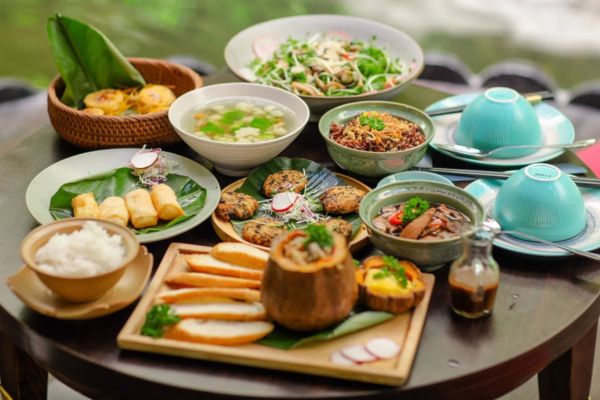
Today, I want to bring you into that world through five dishes that represent the heart of Hanoi cuisine – not just the flavors but the rituals behind them. These are dishes I eat as a local. I’ll show you exactly how I eat them, how Hanoians typically eat them, and how you can join us.
The dishes we’ll explore are:
- Bún Riêu – Crab & Tomato Noodle Soup
- Bánh Cuốn – Steamed Rice Rolls (with my personal twist)
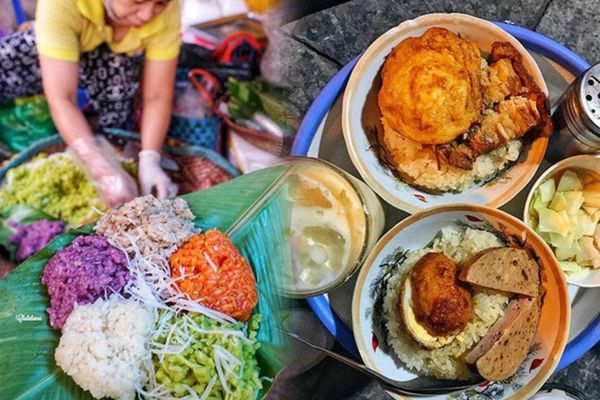
- Bánh Gối & Bánh Tôm – Hanoi’s Crispy Street Snacks
- Phở Gà Trộn – A Dry-Mixed Chicken Pho That Surprises Everyone
- A DIY Final Dish: Fresh Spring Rolls (Gỏi Cuốn) Made Your Way
So sit down – preferably on a low plastic stool – because we’re about to eat Hanoi the way Hanoians do.
Bún Riêu – The Soulful, Tangy Crab Noodle Soup
If Hanoi had a soundtrack, the morning slurping of bún riêu would be one of its main instruments. Bún riêu is often overshadowed by Pho, but ask any local what they crave on a humid summer morning, and many will whisper: bún riêu.
What Makes It Special
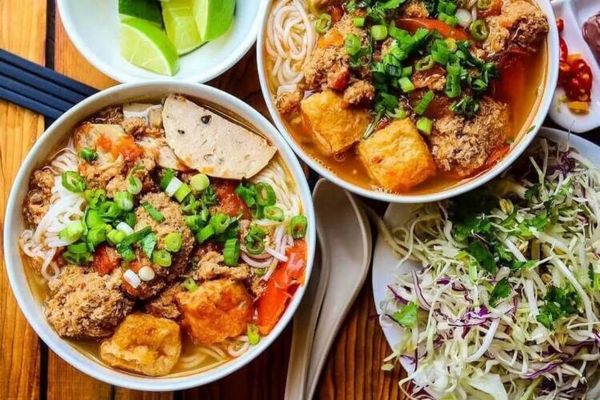
It’s a noodle soup built around a delicate crab paste (riêu), fresh tomatoes, tofu, a slightly sour broth, and thin rice noodles. While pho is smooth and aromatic, bún riêu is bright, tangy, and energetic – like a morning splash of cold water on your face.
How Locals Eat It
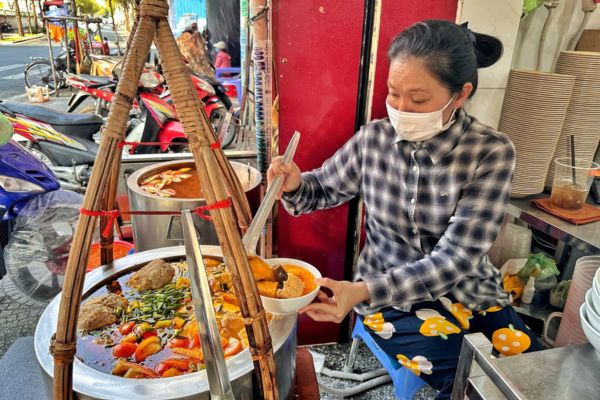
Hanoians customize bún riêu like artists adjusting a painting. Everyone does it differently, but these steps are universal:
- Add a small spoon of shrimp paste (mắm tôm). Not too much – just enough to wake the broth up.
- Add vinegar-infused garlic for acidity.
- Toss in fresh herbs: perilla, Vietnamese balm, and lettuce.
- Add chili oil (ớt chưng) if you want heat.
We don’t stir aggressively. We tilt the bowl, give it a gentle mix, and taste first. Hanoi cuisine isn’t about overpowering flavors – it’s about respecting them.
How I Eat It
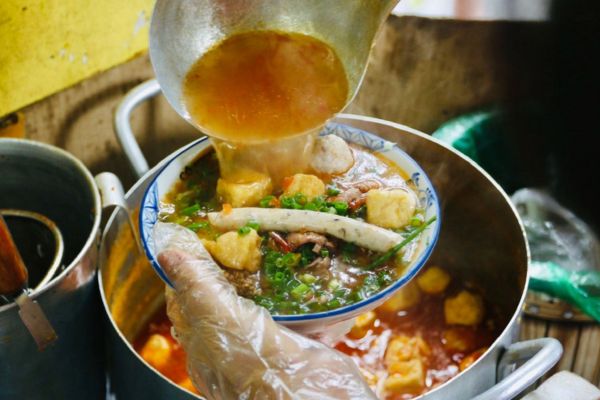
Whenever I take guests to try bún riêu, I tell them this:
“Taste the broth first. Always. Before adding anything.”
Bún riêu is delicate. It’s easy to drown it in vinegar or chili. Once you sip that first spoon, then you adjust.
I personally add a pinch of shrimp paste, just enough garlic vinegar to brighten it, and a handful of herbs. Then I mix gently, keeping the tomatoes whole so they burst while eating.
Travelers always tell me this bowl tastes like nothing they’ve eaten before and that’s why it deserves its place on this list.
Bánh Cuốn – Rolled Rice Sheets, My Style
Bánh cuốn is one of Vietnam’s most elegant dishes. Paper-thin steamed rice sheets rolled around minced pork, mushrooms, and shallots. It’s soft, silky, subtle, and best eaten in the morning.
But the way I eat bánh cuốn is… a little different.
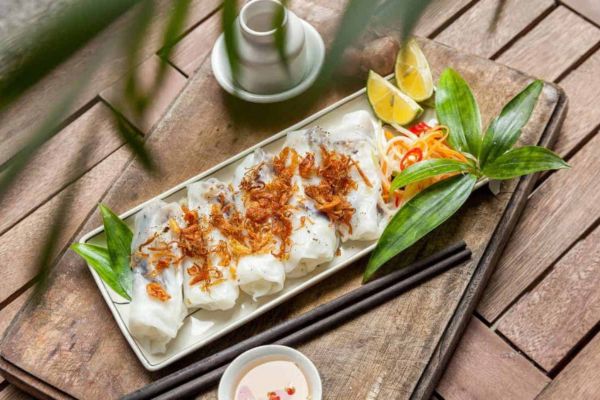
Traditional Way
A standard plate includes:
- Soft rice rolls
- A side of Vietnamese ham (chả)
- Crispy fried shallots
- Fresh herbs
- A bowl of warm dipping sauce (nước chấm)
Many foreigners think they pour the sauce on top.
Nope.
In Hanoi, we dip. Always dip.
My Way: The “Guide’s Secret Trick”
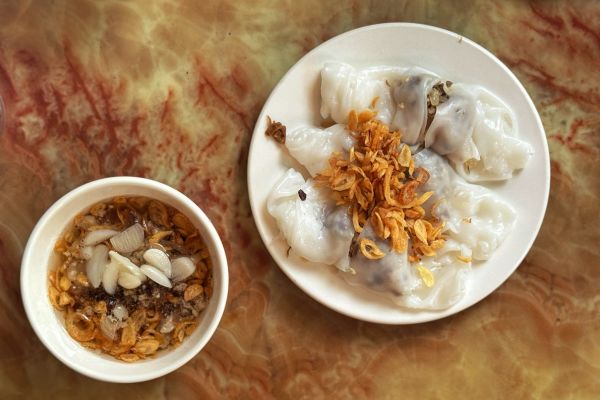
Whenever I eat bánh cuốn, I always order a bowl of the filling by itself: minced pork, wood-ear mushroom, onions, and fried shallots.
Then I put a spoonful of that filling directly into the dipping sauce.
Why do I do this?
Because it:
- Makes the sauce richer
- Adds more texture
- Balances the softness of the rice rolls
- Gives every bite deeper flavor
When I bring tourists to eat this and show them my technique, their eyes widen like they’ve unlocked a secret level in a video game.
I tell them:
“Now your sauce has its own personality.”
Suddenly, every piece they dip becomes more balanced – soft, savory, crunchy, aromatic.
This little trick is something I’ve done since childhood, and it genuinely changes the dish.
Bánh Gối & Bánh Tôm – Hanoi’s Crispy Snack Duo
If you want to understand “snacking culture” in Hanoi, you need to look at bánh gối and bánh tôm. We don’t treat snacks as side dishes – they are small moments of joy, eaten at any hour of the day.
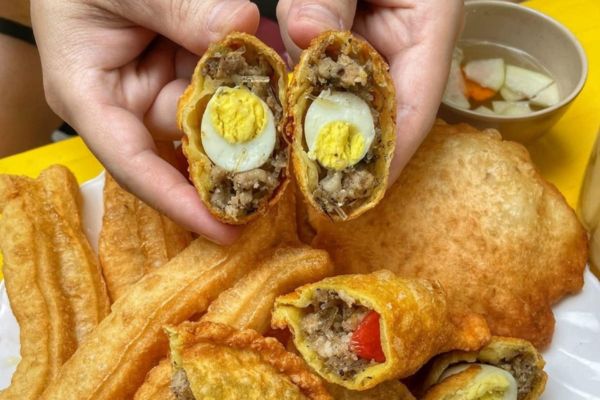
Bánh Gối – The Vietnamese Empanada
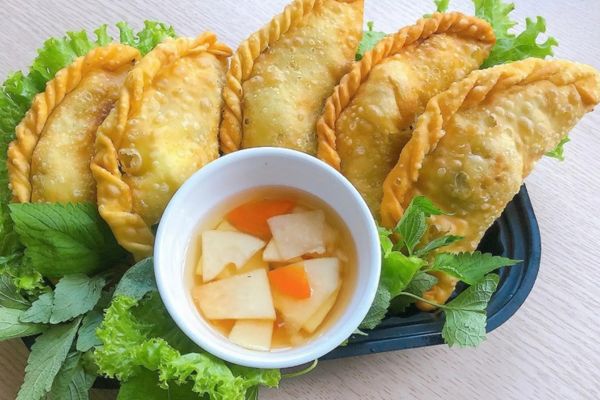
It’s a deep-fried pillow filled with:
- glass noodles
- minced pork
- wood ear mushrooms
- sometimes quail eggs
Crispy outside, savory and soft inside.
Bánh Tôm – Sweet Potato & Shrimp Fritters
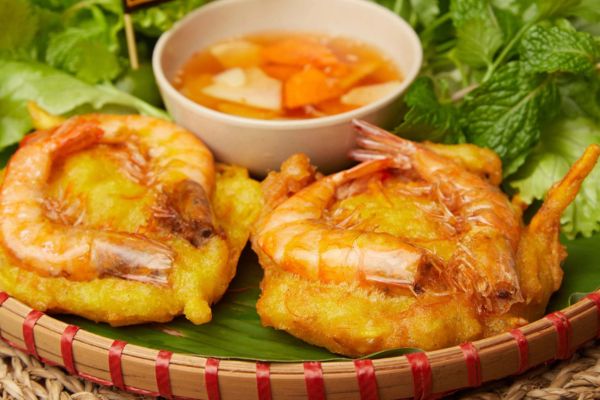
A Hanoi legend from West Lake, made by frying:
- thin sweet potato slices
- whole shrimp
- until golden, crispy, irresistible
How Locals Eat Them
Vietnamese people never eat fried snacks alone. The dipping sauce is half of the dish.
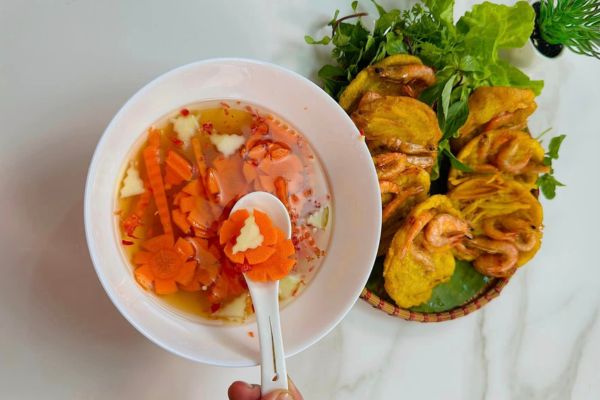
For both bánh gối and bánh tôm, we dip into a sweet-sour fish sauce with:
- green papaya
- carrots
- chili
- lime
And the most important part:
We always eat them with fresh herbs – coriander, mint, perilla.
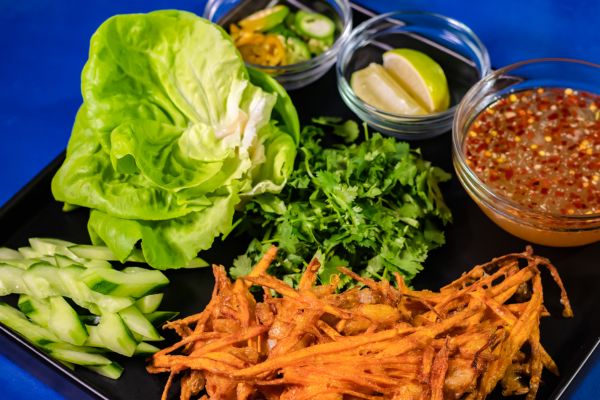
People sometimes ask me:
“Why do Vietnamese always eat herbs?”
The answer is simple: balance.
Fried food + herbs = not heavy
Crispy + fresh = harmony
Bold flavors + cooling greens = perfection
How I Eat Them as a Guide
I always tell guests:
“Don’t bite the bánh gối whole. Break it.”
Why?
Because once you open it, the herbs can go inside. The dipping sauce can soak in. Suddenly every bite is layered.
Try this:
- Break the bánh gối
- Add a leaf of mint inside
- Dip lightly
- Then take a bite
You’ll understand Hanoi at that moment.
Phở Gà Trộn – A Brothless Chicken Pho That Confuses Everyone (At First)
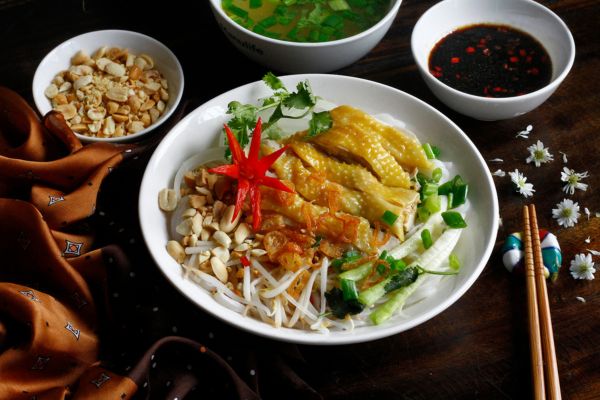
This dish surprises every traveler I bring.
They expect soup.
They expect broth.
They expect a warm steamy bowl.
Instead, I place in front of them:
A plate of flat pho noodles, shredded chicken, herbs, fried shallots, roasted peanuts, and a small bowl of sauce. No broth.
And I tell them:
“This is phở gà trộn. Mix everything.”
What Makes It Special
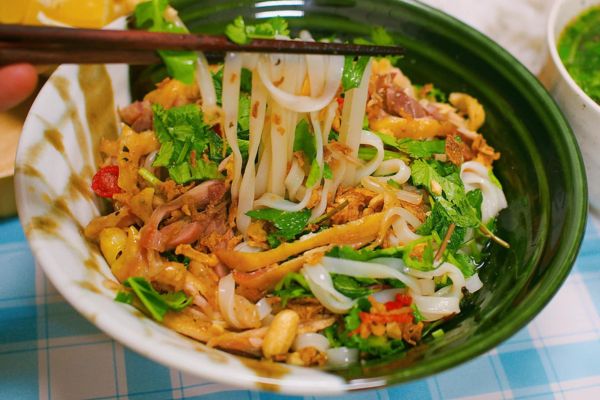
Phở gà trộn has all the flavors of pho but in a bolder, more playful form:
- The sauce (a mix of fish sauce, vinegar, garlic, chili, and the light broth)
- Fresh lime leaves
- Crispy shallots
- Tender chicken
Slippery rice noodles
How I Eat It
Here’s something important:
I never squeeze lime on phở gà trộn. I use vinegar.
Why?
Because:
- Vinegar is lighter
- It increases brightness without dominating
- It lifts the sweetness and saltiness of the sauce
- Lime sometimes makes the dish too sour or too sharp
I drizzle just enough vinegar to wake up the flavors. Then I toss everything together gently.
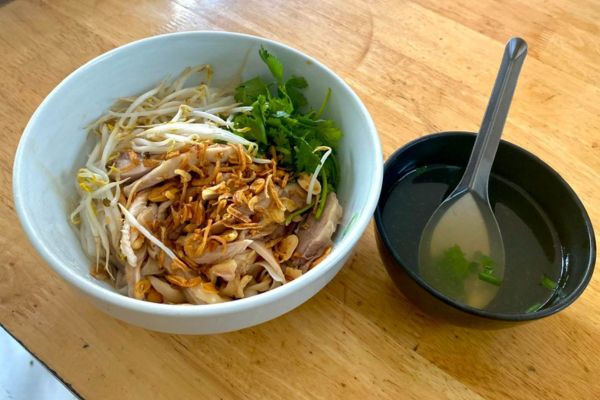
For first-timers, I always pour the sauce in slowly so they can taste the balance step by step. Phở gà trộn is not supposed to be soaked. It should be glossy, fragrant, and refreshing.
Travelers always say:
“I’ve never had pho like this.”
Yes, because this is Hanoi’s pho.
Your DIY Experience: The Vietnamese Spring Roll (Gỏi Cuốn)
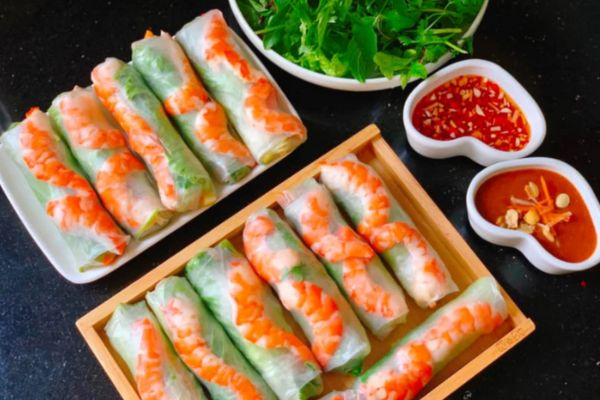
For the last dish, I wanted something interactive. Something you don’t just eat – you make. And there is nothing more perfect than fresh spring rolls.
Gỏi cuốn represents everything about Vietnamese food:
- balance
- freshness
- herbs
- dipping culture
communal eating
Why I Love Including This Dish
When I guide guests, I love giving them the chance to build their own food. Vietnamese cuisine is hands-on. We share plates, wrap our own rolls, and adjust flavors ourselves. Food becomes an activity.
So here’s how to create a real Hanoian spring roll.
What You’ll Use
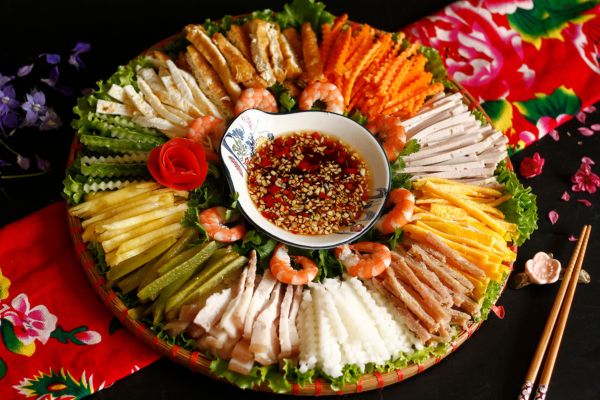
You can choose what you want, but typical fillings include:
- rice paper
- herbs (lettuce, coriander, basil, mint)
- rice vermicelli
- grilled pork or shrimp
- cucumber
- bean sprouts
fried shallots
The Technique (Very Important)
Vietnamese people don’t soak the rice paper in a bowl.
We wipe it with water quickly OR roll it on a wet plate.
Then:
- Lay down a small amount of noodles.
- Add protein.
- Add herbs.
- Add something crunchy (cucumber or pickles).
- Roll tightly – like wrapping a tiny gift.
- Dip in either peanut sauce or fish sauce.
The Cultural Magic
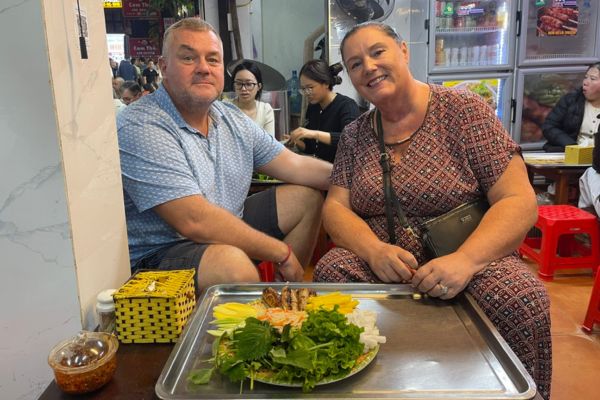
Spring rolls aren’t just food. They are:
- A shared moment
- A conversation starter
- A bonding experience
- A reflection of your personality
When I guide travelers, I always watch how they make their first roll. It tells me a lot:
Are they adventurous? Are they careful? Are they chaotic?
Whatever they create, it’s theirs – and that’s the beauty of it.
Final Thoughts: Eating in Hanoi Is an Art, a Ritual, and a Love Story
People come to Hanoi expecting food.
But what they actually discover is culture.
Hanoians eat with intention.
We add herbs for balance.
We dip instead of pour.
We taste first before adjusting.
We sit on tiny stools because food tastes better close to the street.
We eat quickly because the noodles wait for no one.
We share because food is meant to bring people together.
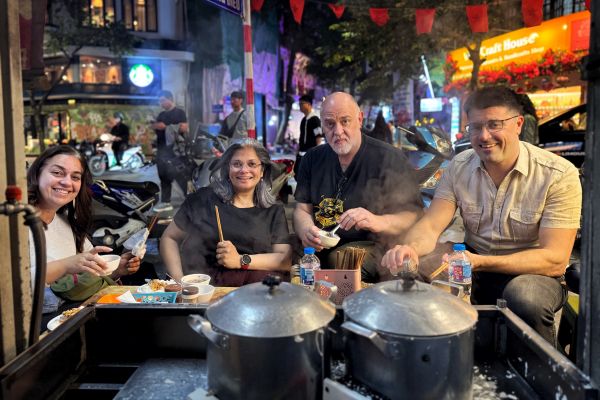
As a guide, this is my favorite part of my job – showing guests not only what to eat, but how to taste Hanoi the way a local does. Because once you learn the rhythm, every bite becomes a story. Every bowl becomes a memory. Every plate becomes a piece of Vietnam that travels home with you.
So when you come to Hanoi, don’t just order food.
Join the ritual.
Mix it. Dip it. Balance it.
Eat it the way Hanoians do.
And I promise, you’ll fall in love with this city one bite at a time.