After many years guiding travelers across Vietnam – from the misty mountains of the North to the ancient royal kitchens of the Central region and the fruit-sweet rhythms of the Mekong Delta – I’ve learned one simple truth:
Vietnamese cuisine is not just food. It is geography, climate, philosophy, personality, and history all served on a plate.Every region tastes different.

Every province has its own style.
Every family even cooks differently.
Yet Vietnamese food always returns to one core principle:
Balance.

Balance of texture, balance of flavor, and balance of ingredient characteristics, what Vietnamese call the harmony of “âm and dương” – “yin and yang”.
So today, let me take you on a deep journey across Vietnam’s three culinary regions – North, Central, and South. We’ll explore how geography shaped flavor, how kings influenced cuisine, why the North prefers elegance, why the Central embraces heat, and why the South loves sweetness. We’ll also break down the Vietnamese concept of balance in a way travelers rarely get to hear.

This is the kind of story I tell my guests. And now I’m sharing it with you.
Northern Vietnam – The Art of Elegance, Restraint, and Subtlety
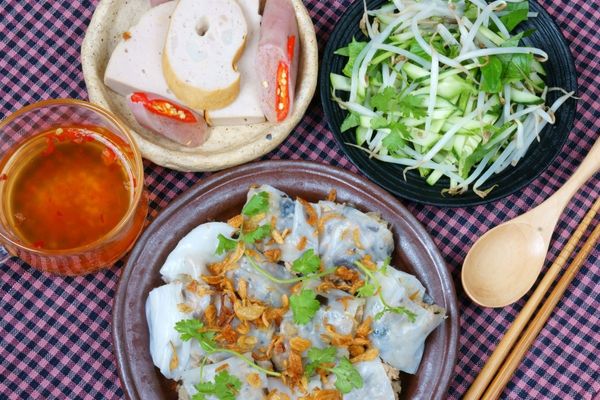
Northern food is where Vietnamese cuisine began.
From the ancient capital of Hoa Lư to the Thăng Long citadel (modern-day Hanoi), northern dishes carry centuries of history. Vietnam has endured thousands of years of dynasties, invasions, and royal rituals – and those experiences shaped the way northern people cook.
The Flavor Profile: Balanced, Savory, and Subtly Sweet
Northern food is known for being:
- light
- elegant
- savory-forward
- mild in sweetness
- moderate in spiciness
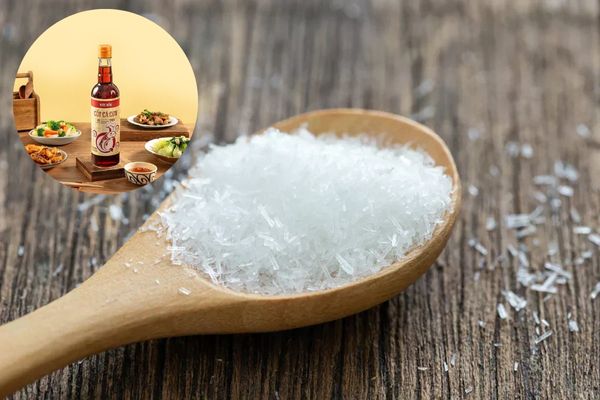
The main flavor foundation is saltiness and umami, created through fish sauce and – truthfully – MSG, which became popular in the North during the mid-20th century.
Northern cooks use sweetness sparingly. Sugar exists, but not loudly.
Why? Climate.
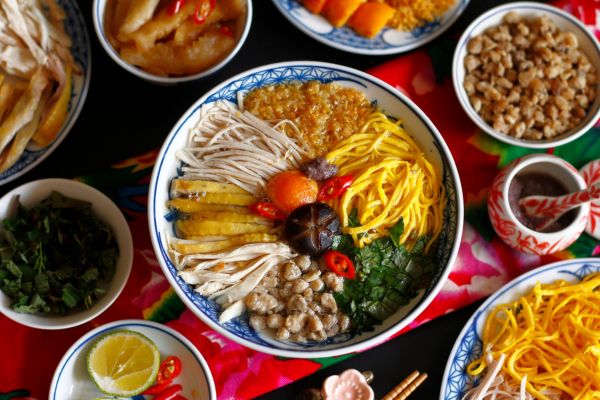
Northern Vietnam is cooler in winter, which makes people crave warm, savory broth-based dishes. Soups like phở, bún thang, canh mọc, bún riêu all carry subtle layers rather than powerful extremes.
The Philosophy of Northern Cuisine: Elegance and Ritual
Northern food carries a strong cultural influence from Confucianism – organization, symmetry, subtle expression, and respect for ingredients.
One of the best examples is the beloved bánh chưng, the square sticky rice cake.

But more than a food, bánh chưng is a symbol.
The Legacy of Bánh Chưng – Balance, Land, and the King’s Story

According to “Lĩnh Nam Chích Quái”, one of Vietnam’s oldest collections of historical myths, bánh chưng was created by Prince Lang Liêu. When the king asked his sons to make a dish representing the heart of the land, Lang Liêu used the simplest ingredients available to poor farmers:
- sticky rice
- mung bean
- pork
- green banana leaves
When bánh chưng is cut correctly, the squares form perfect, equal pieces – symbolizing harmony, equality, and the idea that kings should divide land fairly among their people.
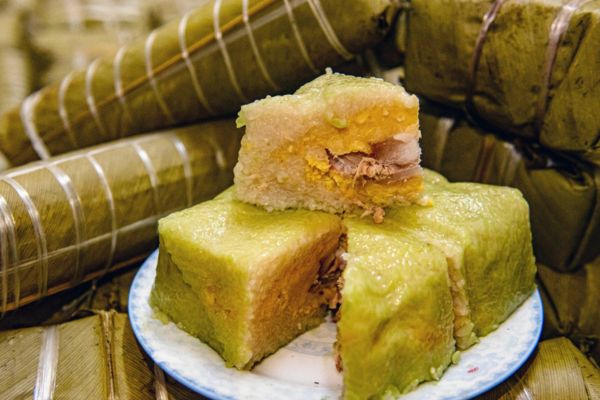
Even today, during worship ceremonies, northern families cut bánh chưng into exact, symmetrical pieces. Not random chunks. Never messy. Each piece represents balance and respect for the ancestors.
That’s the North: delicate, intentional, philosophical.
The Cooking Style
Northern dishes avoid extreme seasoning. Instead, they rely on:
- natural sweetness from bones in broth
- herbs used lightly
- clean, quiet flavors
- restrained use of chili
- emphasis on clarity and purity of the dish
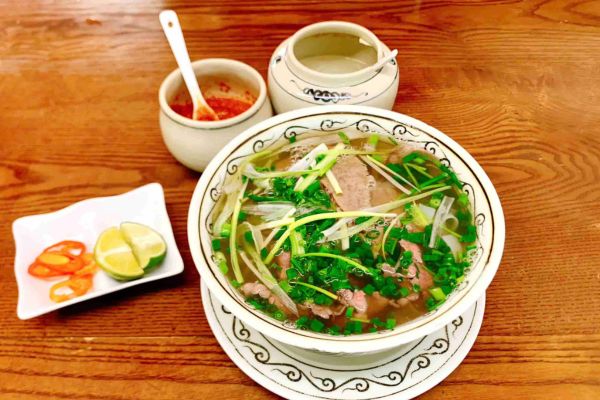
Just look at phở Hà Nội – clear broth, subtle aroma, nothing overpowering.
The North’s flavor identity is refinement.
Central Vietnam – Heat, Royal Complexity, and Natural Intensity
Traveling south from Hanoi, flavors begin to sharpen. By the time you reach Huế – the ancient imperial capital – you feel a shift in color, aroma, and character.

Central Vietnam is the land of:
- bold flavors
- royal complexity
- spicy notes
- sweet-and-spicy combinations
small, beautifully crafted dishes
Why Central Food Is Spicy
Central Vietnam is geographically narrow and exposed to harsh weather – storms, floods, dry spells. Historically, the region struggled with agriculture, so preserved ingredients and strong seasoning became essential.
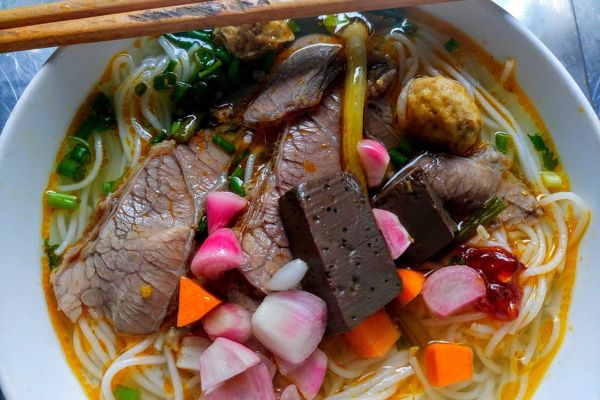
Spice was used to:
- preserve food
- stimulate the body during humid storms
- create warmth in the rainy season
But there is also a royal connection.
The Influence of the Royal Kitchen of Huế
Huế was home to the Nguyễn Dynasty. The emperor demanded hundreds of beautifully prepared small dishes – miniature, decorative, artistic.
Food wasn’t just eaten.
It was performed.
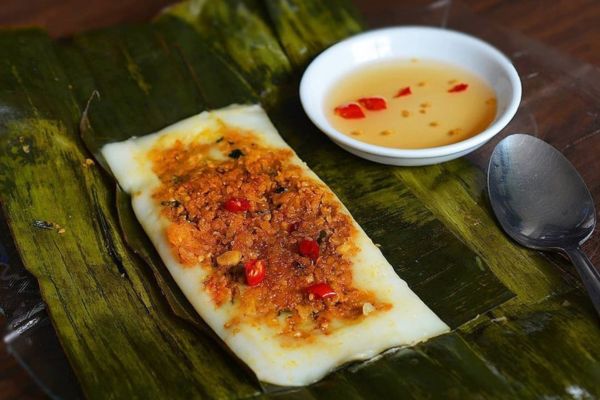
That’s why Central dishes like:
- bánh bèo
- bánh nậm
- bún bò Huế
- bánh bột lọc
- nem lụi Huế
feel more ornate and sophisticated.
The Central Flavor Profile
The Central region loves layers of flavor:
- spicy
- salty
- a little sweet
- aromatic
- umami-rich
Chili is everywhere: fresh chili, chili paste, chili sate oil.
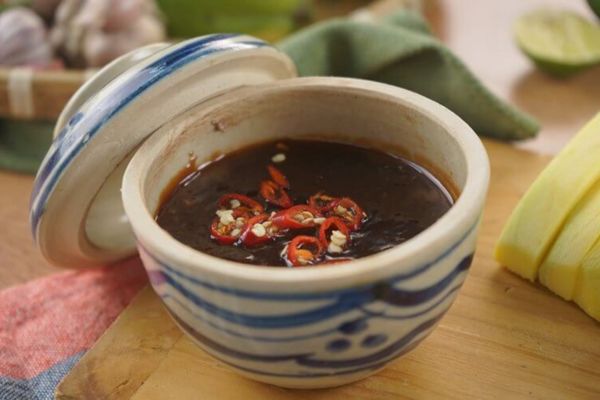
Even their fish sauce is fiercer – nước mắm ruốc, fermented shrimp paste with a punch.
The Personality of Central Cuisine
I always tell guests:
If Northern cuisine is elegant and philosophical, Central cuisine is passionate and dramatic.
Small dishes, strong emotions, bold seasoning.
Everything expresses feeling.
Southern Vietnam – Sweetness, Abundance, and the Warm Personality of the Mekong
When you reach the South, the flavor profile changes again – and dramatically.

The Mekong Delta is fertile, sunny, and rich in fruit, coconut, sugarcane, and fresh herbs. This abundance shaped the southern palate into something rounder, warmer, and sweeter.
Why the South Loves Sweetness
There are two main reasons:
- Geography

The South grows sugarcane, coconuts, tropical fruits, and palm sugar – sweetness naturally becomes part of the cuisine.
- Cultural influences
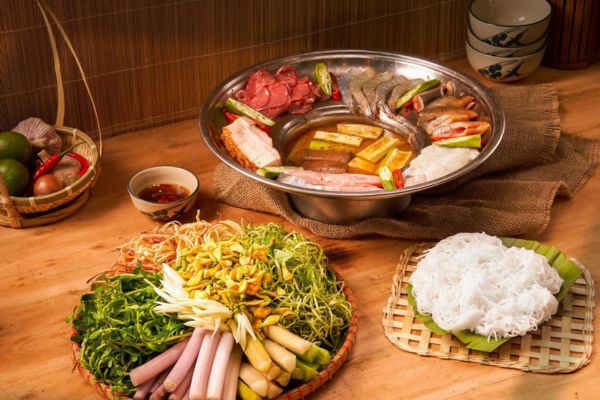
Southern Vietnam has been more open to:
- Khmer cooking
- Chinese immigrants
- Thai flavors
All of which embrace sweetness.
So dishes like:
- cơm tấm
- hủ tiếu
- bún mắm
- bánh xèo miền Tây
have a pronounced sweetness balanced with fresh herbs and acidity.
How Southerners Season Their Food
They rely on:
- sugar
- coconut milk
- pickles
- fresh herbs
- light fish sauce
- bold dipping sauces
Southerners often serve large bowls of herbs – more than the North or Central – and they pile them high, mixing textures and flavors without hesitation.
Personality of Southern Cuisine
Southern food is generous and expressive, just like the people.
Warm, welcoming, and vibrant.
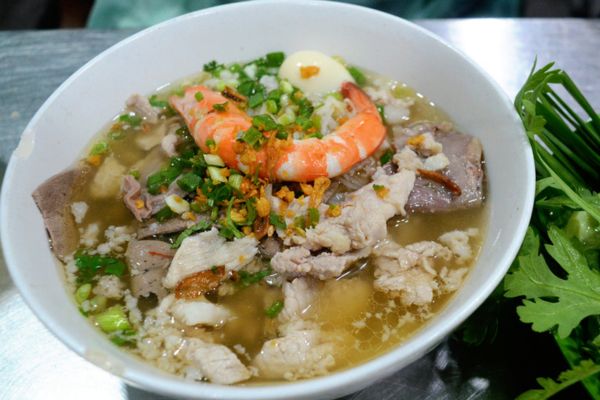
Even the portion sizes are bigger.
Even the soups are fuller.
Even the desserts are sweeter.
When tourists eat in the Mekong, they always tell me one thing:
“This feels comforting.”
And that is exactly the spirit of Southern Vietnam.
The Three Balances: The Heart of All Vietnamese Food

Despite regional differences, every Vietnamese dish – North, Central, or South – returns to balance.
Not balance in a European culinary school sense.
Not balance as in the “five flavor theory.”
Vietnam’s idea of balance is deeper, more ancient, more instinctive.
It comes from the philosophy of âm – dương (yin – yang), where every ingredient must harmonize with its counterpart.
Let me break it down in the three ways Vietnamese people actually describe it.
Balance of Texture
Every dish must have:
- something soft
- something crunchy
- something fresh
- something aromatic
Example: Bánh cuốn
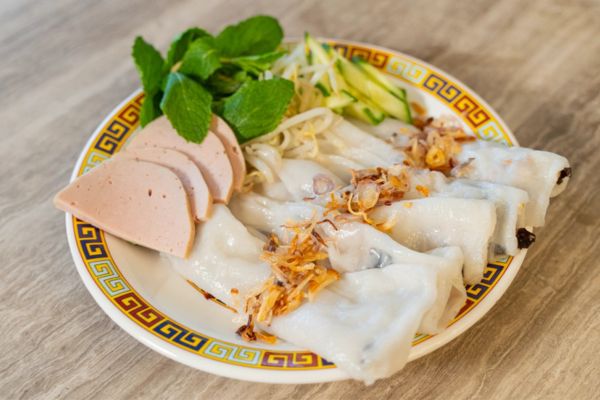
- the steamed rice sheet = soft
- fried shallots = crunchy
- herbs = fresh
- dipping sauce = aromatic
If you remove one element, the dish feels incomplete.
This is why Vietnamese salads like gỏi always add:
- roasted peanuts
- crispy shallots
- fresh herbs
- acidic dressing

Soft + crunch + freshness + aroma.
Perfect balance.
Balance of Flavor
Vietnamese flavor balance is not simply salty-sweet-sour-spicy-bitter.
That system exists, yes, but it’s not the real reason food tastes balanced.
For Vietnamese cooks, balance means:
No single flavor should dominate.
Even when we add sweet, it must have salt.
When we add sour, it must have sweet.
When we add spicy, it must have freshness.
When we add salty, it must have acidity.
Example: Vietnamese salads

Salads are very fresh. Too fresh.
So we add peanuts for richness and fish sauce for depth.
That way the entire dish becomes round and harmonious.
Example: Phở gà trộn

You prefer vinegar over lime because it lifts sweetness and saltiness without overpowering the bowl.
That is balance.
Balance of Ingredient Characteristics (Âm & Dương – Cold & Hot Foods)
Vietnamese food has an ancient classification:
- “Hot” ingredients (dương): red meat, ginger, chili, pepper, alcohol
- “Cold” ingredients (âm): duck, seafood, leafy vegetables, certain fruits
A “hot” ingredient does not mean spicy.
A “cold” ingredient does not mean chilled.
These refer to internal energy.
When Vietnamese people eat “cold” foods like duck, crab, or seafood, they always pair them with:
- ginger
- lemongrass
- shiso leaves
- chili
- pepper
Why?
Because the hot ingredients neutralize the cold ones, protecting the stomach and keeping the body balanced.
Example:
Seafood + ginger = harmony
Duck + lemongrass + ginger = warmth restored
Chicken + lime leaf = aromatic heat added
Vietnamese cuisine is essentially medicine disguised as flavor.
Conclusion: Three Regions, One Soul – The Eternal Balance of Vietnamese Cuisine
After guiding thousands of travelers, from street-food lovers to haute cuisine explorers, I’ve realized Vietnam’s diversity is one of the greatest culinary gifts on Earth.
Northern cuisine is elegant, subtle, and deeply rooted in history.
Central cuisine is fiery, artistic, and royal.
Southern cuisine is sweet, abundant, and generous.
But beneath every difference lies one unbreakable truth
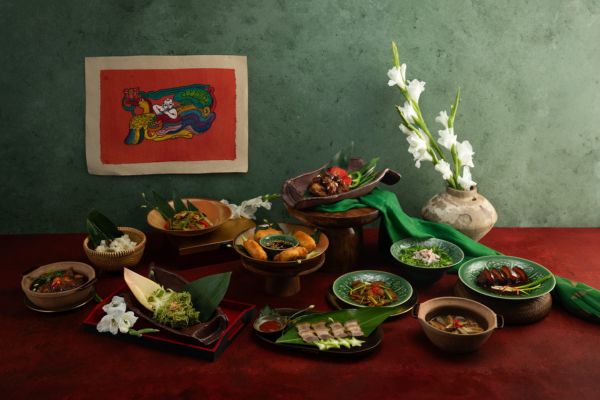
Vietnamese food is always about balance
Balance of texture.
Balance of flavor.
Balance of yin and yang.
Balance of ingredients.
Balance of richness and freshness.
Even when you travel from region to region, you always taste the same philosophy:
nothing too extreme, nothing overpowering, everything in harmony.
That is what makes Vietnamese cuisine so elegant.
That is what makes it so addictive.
And that is why no matter where you travel in Vietnam – north, central, or south – you will always feel the same comforting heartbeat in every bowl and every bite.
Vietnamese food doesn’t just fill your stomach.
It brings your body, your senses, and your spirit back into balance.