
If you want to understand the true rhythm of Hanoi, you have to look beyond the standard bowls of Pho and Banh Mi. As a local who has navigated the Old Quarter’s culinary labyrinth for decades, I can tell you that the true pinnacle of Hanoian street food is seasonal, fleeting, and highly specific. When the crisp autumn winds begin to sweep through the capital, a highly anticipated culinary phenomenon takes over the streets. I am talking about the legendary sandworm omelette (known locally as chả rươi or rươi đúc trứng), a remarkably unique fried dish that defines the essence of Vietnamese autumn gastronomy.
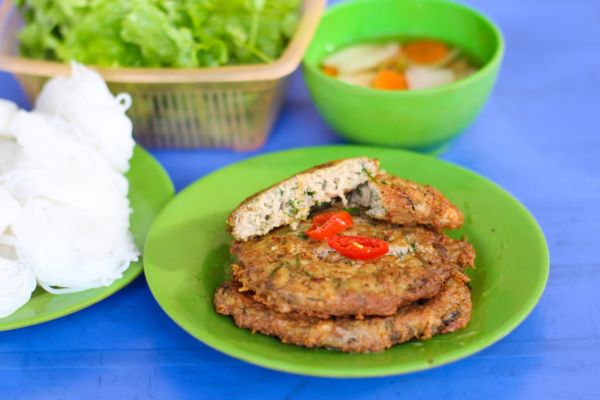
Let’s get right to the point. The concept of eating worms might make you hesitate, but this is a culinary masterpiece of texture, aroma, and profound flavor balance. Here is your practical, insider’s guide to understanding, finding, and tasting a proper sandworm omelette in Hanoi.
The Ephemeral “Gift from Heaven”
You cannot eat fresh sandworm omelette all year round. The season is incredibly short, traditionally peaking during the late 9th and early 10th months of the lunar calendar (often referred to as the 20th of the 9th month and the 5th of the 10th month). These fascinating creatures (Tylorhynchus heterochaetus) are marine worms measuring about 6-7 cm in length, with segmented bodies covered in tiny bristles, and they appear in red, green, or gray hues.
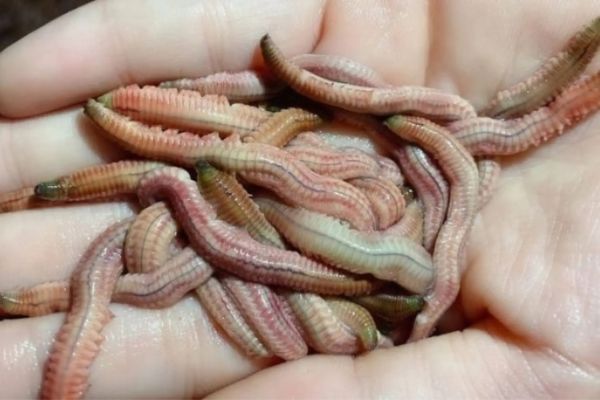
They do not originate in Hanoi. They live in the sandy, brackish waters near the river mouths of coastal northern provinces like Quang Ninh, Hai Duong, Hai Phong, and Thai Binh. When the tides rise and flood the dry fields, the worms emerge from the mud in massive numbers, bringing local farmers tens of millions of VND each season – earning them the nickname “lộc trời,” or a gift from heaven. Despite originating on the coast, the sandworm omelette has been firmly adopted and elevated into a staple of Hanoi’s urban culinary culture.
The Architecture of a Masterpiece
Creating the perfect sandworm omelette requires a strict adherence to local culinary logic. The ingredients are simple but must be balanced with absolute precision.
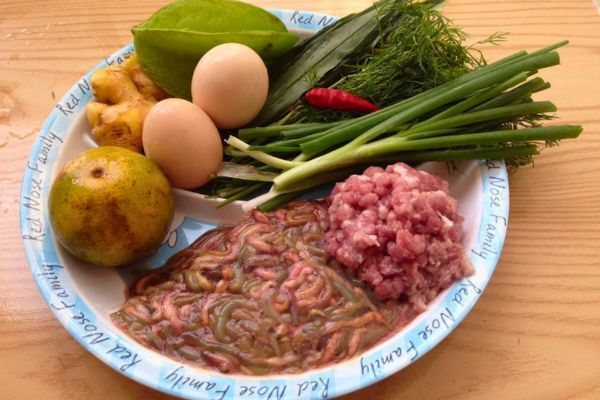
The core mixture consists of the sandworms, finely minced pork (specifically pork shoulder with a bit of fat), chicken eggs, scallions, dill, and a touch of crushed fresh chili. Occasionally, you might find variations that incorporate finely sliced lime leaves or lolot leaves to enhance the aroma.
The golden ratio dictated by veteran Hanoian home cooks is typically three parts sandworm to one part pork, with three to four eggs used for every 0.5 kg of worms. This ratio is crucial: add too much meat, and the final sandworm omelette becomes tough; use less meat, and it becomes light and fluffy. While the worms naturally possess an incredible sticky, binding texture when beaten, omitting the meat and eggs entirely is a rookie mistake that will leave the final dish dry and lacking richness.
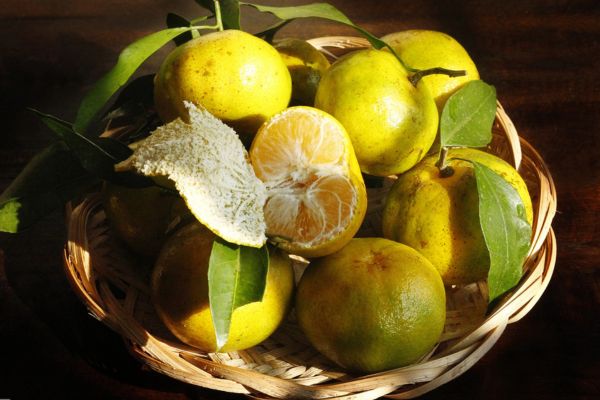
However, the absolute non-negotiable secret ingredient of the sandworm omelette is dried tangerine peel (vỏ quýt). This isn’t just for flavor; it is functional. The essential oils in the peel cut through the heavy richness of the high-protein worms, aiding digestion and preventing bloating. Specifically, experts seek out a type of small, fragrant tangerine known as quýt hôi, cultivated in mountainous regions like Lang Son, Tuyen Quang, and Cao Bang. The peel is carefully dried, as aged peel offers a far more profound aroma than fresh ones.
The Science of Preparation
Preparing a sandworm omelette is an artisanal process that requires serious attention to detail.
Selection: Timing is everything. You must buy the worms early in the morning while they are still highly active. Healthy worms are light green and will swim vigorously if placed in water. As they weaken, they turn reddish-brown, and dead ones turn a dark, unappetizing black-green, which severely ruins the flavor of the sandworm omelette.
The “Lông” (Bristle) Removal: This is where science meets tradition. The worms must be washed gently in cold water to remove debris. Then comes the critical step: hot water blanching to remove their tiny bristles. You must never use boiling water (100°C). Boiling water causes the worms to instantly shrink and burst, leaking their highly nutritious, milky core into the water. The water must be precisely between 75°C and 80°C. You stir them gently with chopsticks until the bristles fall off, rinsing thoroughly to ensure the final dish doesn’t cause an itchy throat.
The Fry: The cleaned worms are placed in a bowl and beaten with chopsticks. Some cooks leave chunks for a crunchy, varied texture, while others puree them completely so the worms are indistinguishable. Mixed with the pork, eggs, herbs, and the critical tangerine peel, the batter is spooned into a pan – ideally using liquid pork lard rather than cooking oil for a superior aroma. They are fried on low heat into patties about 0.5 to 0.75 cm thick until golden brown outside, yet soft and rich inside. The scent of a frying sandworm omelette is so potent and intoxicating that locals say it “wakes up the whole neighborhood”.
Innovative Variations
While the pan-fried sandworm omelette is the undisputed king, modern kitchens and creative cooks have developed several brilliant variations:
Steamed (Rươi Hấp): The exact same batter is mixed with minced wood ear mushrooms for crunch, then steamed to perfection.
Flash-Fried (Hấp rồi Chiên): The most innovative approach. The mixture is steamed first to cook it through, cooled, and then quickly flash-fried in screaming hot oil. This creates a sandworm omelette that is remarkably crispy on the outside, incredibly tender inside, and far less greasy.
Spring Rolls (Nem Rươi): By adding bean sprouts, glass noodles, and wood ear mushrooms, the mixture is wrapped in rice paper and deep-fried into spectacular autumn spring rolls.
Where to Eat Like a Local: The O Quan Chuong Institution
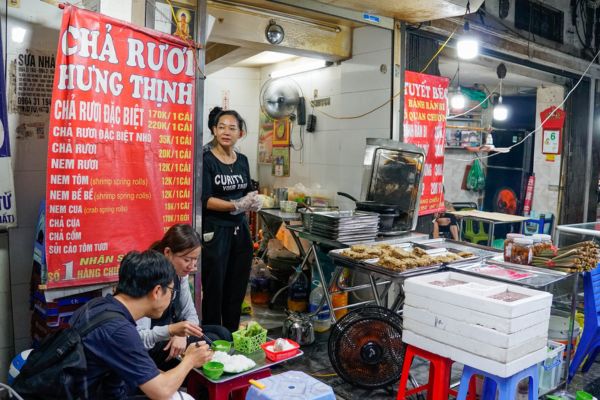
If you want the most authentic sandworm omelette experience in Hanoi, head straight to the intersection of Hang Chieu and Dao Duy Tu streets, right across from the historic O Quan Chuong gate. Here, you will find Hung Thinh, a legendary establishment that has been operating since the early 1990s.
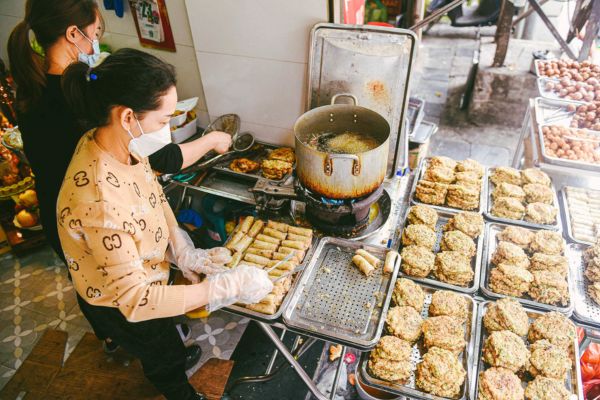
Currently run by 45-year-old Ms. Bui Thi Nga, who inherited the historic number 1 Hang Chieu house and the family recipe from her nearly 70-year-old mother, this shop represents the gold standard of the Hanoian sandworm omelette. They strictly use premium large worms (rươi đại) sourced directly from farms in Hai Duong and Nghe An, discarding entire batches if even a few dead worms compromise the quality. They also custom-order their vital quýt hôi tangerine peels directly from Lang Son.
You can sit right on the pavement and order a freshly fried sandworm omelette. As of 2024, a standard portion costs 45,000 VND, a small special portion is 75,000 VND, and a massive special portion meant for two people ranges from 170,000 to 220,000 VND. It is served hot with rice noodles (bún), fresh herbs, pickled vegetables (dưa góp), and a brilliantly balanced sweet-and-sour fish sauce spiked with chili and lime.
Health, Folklore, and Warnings
The sandworm omelette is more than just a meal; it is deeply embedded in local culture and traditional medicine. The famous Vietnamese writer Vu Bang (1913-1984) once wrote in his book Hanoi Delicacies that housewives must rush to buy these worms during their short season, warning that failing to serve this dish would result in endless grumbling from their husbands.
Nutritionally, the worms are a massive protein bomb. In folklore, older generations swear that eating a sandworm omelette during the turbulent weather shifts of late autumn can instantly cure joint pain and body aches.
However, a strict warning is necessary: Because of its incredibly high protein content, this dish is not for everyone. It is heavily advised against for people recovering from severe illness, asthma sufferers, those with a history of severe allergies, or anyone with weak digestion. Most importantly, it is considered highly toxic and dangerous for pregnant women. As one local diner at Hung Thinh wisely noted, because it is so rich in protein, eating just enough to be satisfied is the most refined way to enjoy it.
If you find yourself in Hanoi during the late autumn, do not let hesitation hold you back. Sit on a plastic stool, order a hot sandworm omelette, and taste a piece of culinary history.