
The Hanoi Opera House is one of the most celebrated landmarks in the Vietnamese capital, admired not only for its striking French colonial architecture but also for its cultural significance. Nestled in the bustling Hoan Kiem District, this grand building has stood for over a century as both a witness to history and a living stage for world-class performances. Inspired by the Palais Garnier in Paris, the opera house carries the elegance of Europe while representing Vietnam’s journey through colonialism, independence, and modern cultural revival. For visitors exploring Hanoi, the Hanoi Opera House is more than just a beautiful photo spot – it is a destination that combines art, history, and heritage. Whether you admire it from the outside, tour its interiors, or attend a live performance, this iconic building offers a window into the soul of the city.
A Glimpse into History
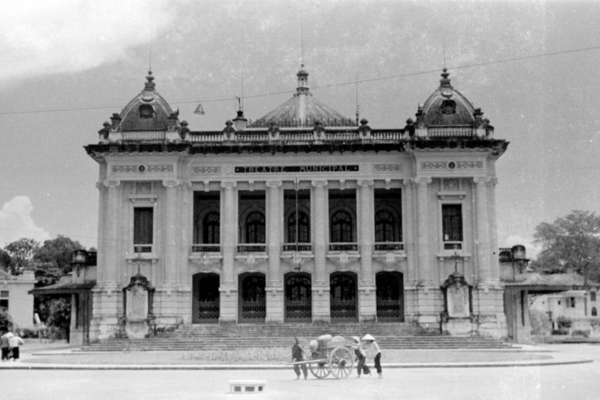
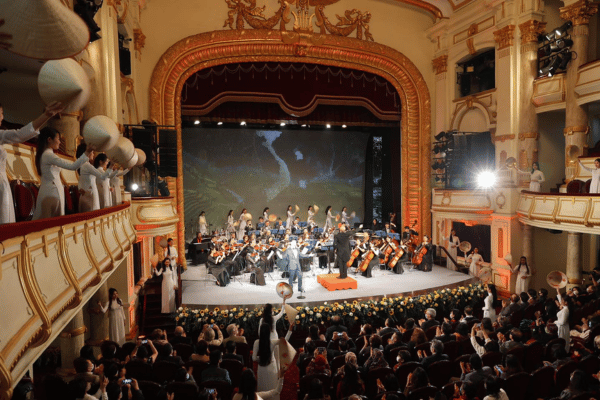
Construction of the Hanoi Opera House began in 1901 under French architects Harlay and Broyer, who envisioned a smaller yet no less magnificent version of Paris’s Opera Garnier. Completed in 1911, the opera house quickly became the center of cultural life for the French elite in Hanoi, hosting classical concerts, opera, and ballet brought from Europe. When Vietnam declared independence in 1945, the opera house transformed into a symbol of national pride. It was here that the first National Assembly convened, marking a defining moment in the country’s history. In the decades that followed, it remained a hub for cultural events, showcasing not only Western art forms but also traditional Vietnamese music and theater. Today, continues to bridge past and present, presenting a mix of classical, contemporary, and traditional performances.
Architectural Splendor
The Hanoi Opera House is a masterpiece of neoclassical architecture. From the outside, the building commands attention with its tall columns, graceful arches, and ornate balconies. The yellow-and-white facade adds warmth, contrasting with the bustling streets around Trang Tien and harmonizing with the colonial atmosphere of the district. Inside, the grandeur is even more breathtaking. The auditorium seats more than 600 guests, with plush red velvet chairs, gilt details, and crystal chandeliers creating an atmosphere of refined elegance. The stage is equipped with modern sound and lighting systems but retains the charm of a bygone era. The ceiling, decorated with murals, reflects a perfect blend of European artistry and local craftsmanship. Even if you are not attending a show, a guided tour of the opera house allows you to soak in its exquisite interior design.
Cultural Highlights and Performances
Visiting Information
The Hanoi Opera House, located at 1 Trang Tien Street, Hoan Kiem District, sits right at the heart of the city’s cultural quarter. From Hoan Kiem Lake, it is only a short and pleasant walk, making it convenient to combine with many nearby attractions, cafés, and art spaces.
The building can be admired from the outside at any time of day, but opening hours for interior visits depend on the performance schedule. Guided tours are usually offered during daytime hours, giving visitors rare access to the main auditorium, stage, and backstage corridors – areas normally reserved for artists and staff.
Entrance fees vary based on your experience:
- Viewing from outside: Free
- Guided tours: Approximately 120,000 – 400,000 VND, depending on the program
- Performance tickets: Usually 300,000 – 1,000,000 VND, with prices changing based on show type and seating area
Reaching the opera house is effortless. If you are staying in the Old Quarter, it’s a quick walk; otherwise, taxis and ride-hailing services are inexpensive and readily available. Public buses stop close by, and for a more nostalgic touch, you can arrive by cyclo, adding a charming old-Hanoi experience to your visit.
Tips for Visitors
- Reserve your tickets early, especially for evening performances that often sell out.
- Come after sunset to see the building at its most enchanting – its golden lights illuminate the French architecture beautifully against the night sky.
- Make a full experience of the area by pairing your visit with nearby cultural spots such as Hoan Kiem Lake, Trang Tien Plaza, and the Thang Long Water Puppet Theater. This creates a perfect half-day itinerary blending history, architecture, and traditional performance art.
Suggested Itinerary for One Day Around Hanoi Opera House
A perfect one day around the Hanoi Opera House begins with a peaceful morning walk around Hoan Kiem Lake followed by breakfast at a cozy café nearby. Later in the morning, join a guided tour of the Hanoi Opera House to learn about its elegant French architecture and rich history. In the afternoon, stroll along Trang Tien Street to explore art galleries, boutique shops, or spend time at the Vietnam National Museum of History just around the corner. As evening arrives, return to the Opera House for a live show, then finish your day with a refined French-Vietnamese fusion dinner at a nearby restaurant.
Nearby Attractions
- Hoan Kiem Lake – the spiritual heart of Hanoi, just 5 minutes away.
- Hanoi Old Quarter – vibrant streets full of history, food, and culture.
- National Museum of Vietnamese History – located next door, offering insights into Vietnam’s past.
- Trang Tien Plaza – a shopping landmark combining international brands and local elegance.
Final Thoughts
- The Hanoi Opera House is more than just a colonial-era relic; it is a living, breathing part of Hanoi’s cultural life. From its historic significance and stunning architecture to the unforgettable performances it hosts, the opera house embodies the city’s fusion of East and West. For travelers seeking to understand Hanoi beyond its bustling streets and delicious street food, a visit here is essential.
- Whether you are drawn by the beauty of its neoclassical design, its role in Vietnam’s history, or the opportunity to enjoy an evening of world-class performances, the Hanoi Opera House will leave a lasting impression.
Continue Your Hanoi Adventure with Us
Discover more of Hanoi’s architectural wonders and hidden corners with Hanoi City Tours. Join our Daily Tours for in-depth cultural experiences beyond the Hanoi Opera House. Stay inspired on Instagram and explore more visual stories on YouTube.